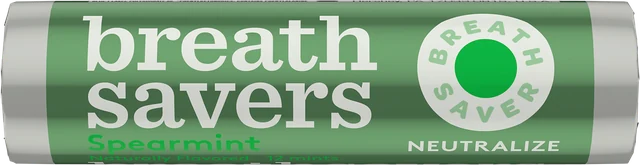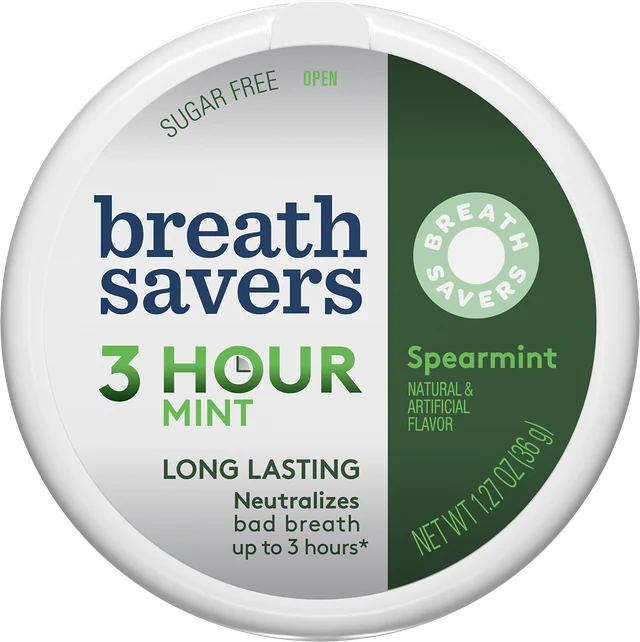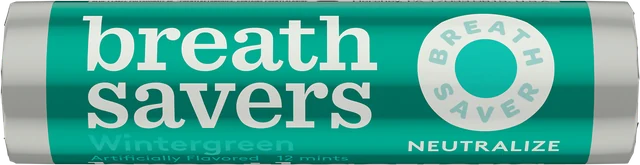
A multipack is useful when it gives you the right amount of a mint you already enjoy. It becomes less useful when a large number on a product page leads you to order more than you can sensibly store or share. Choosing a Breath Savers pack starts with a few concrete details: flavor, format, number of individual packages and where the unopened supply will live.
Our collection includes 24-roll packs of Peppermint, Spearmint and Wintergreen, plus an eight-pack of Spearmint 3-Hour. This guide uses those quantities to explain practical planning. It includes hypothetical price examples where arithmetic helps; those examples are not offers or suggested consumption amounts.
Count what you already have
Before ordering, look in the places where unopened mints tend to accumulate. A kitchen shelf, a work bag and a desk drawer can each hold part of a previous purchase. Bring the unopened units together and identify the flavor and format. You may discover that you need to move a few rolls to a more convenient place rather than buy another pack immediately.
Keep opened packages separate from the unopened count. A partly used roll is not the same as a fresh roll when planning how many complete units you can distribute. You do not need to count loose mints to manage a modest household supply. Counting sealed rolls or round packs is usually enough to make the next purchasing decision clearer.
Check the package condition and printed date information while you look. Do not assume a forgotten pack is ready to use simply because it was never opened. Follow the labeling, and do not use food from damaged or compromised packaging. If something about a delivered product is unclear, resolve that question before adding it to the regular supply.
A simple note can help if several people reorder independently. Record the flavor, the number of unopened units and the date you checked. That is an inventory note, not a target for how much anyone should consume. Its purpose is to prevent duplicate purchases and keep the preferred flavor available.
Write the product identity in one line
Use a complete name when shopping or asking someone else to order. “Breath Savers Peppermint rolls, 0.75 oz each, 24 rolls” identifies four important details in one line. “A box of mints” leaves all of them open. A few precise words are especially useful when similar product photographs appear beside different quantities.
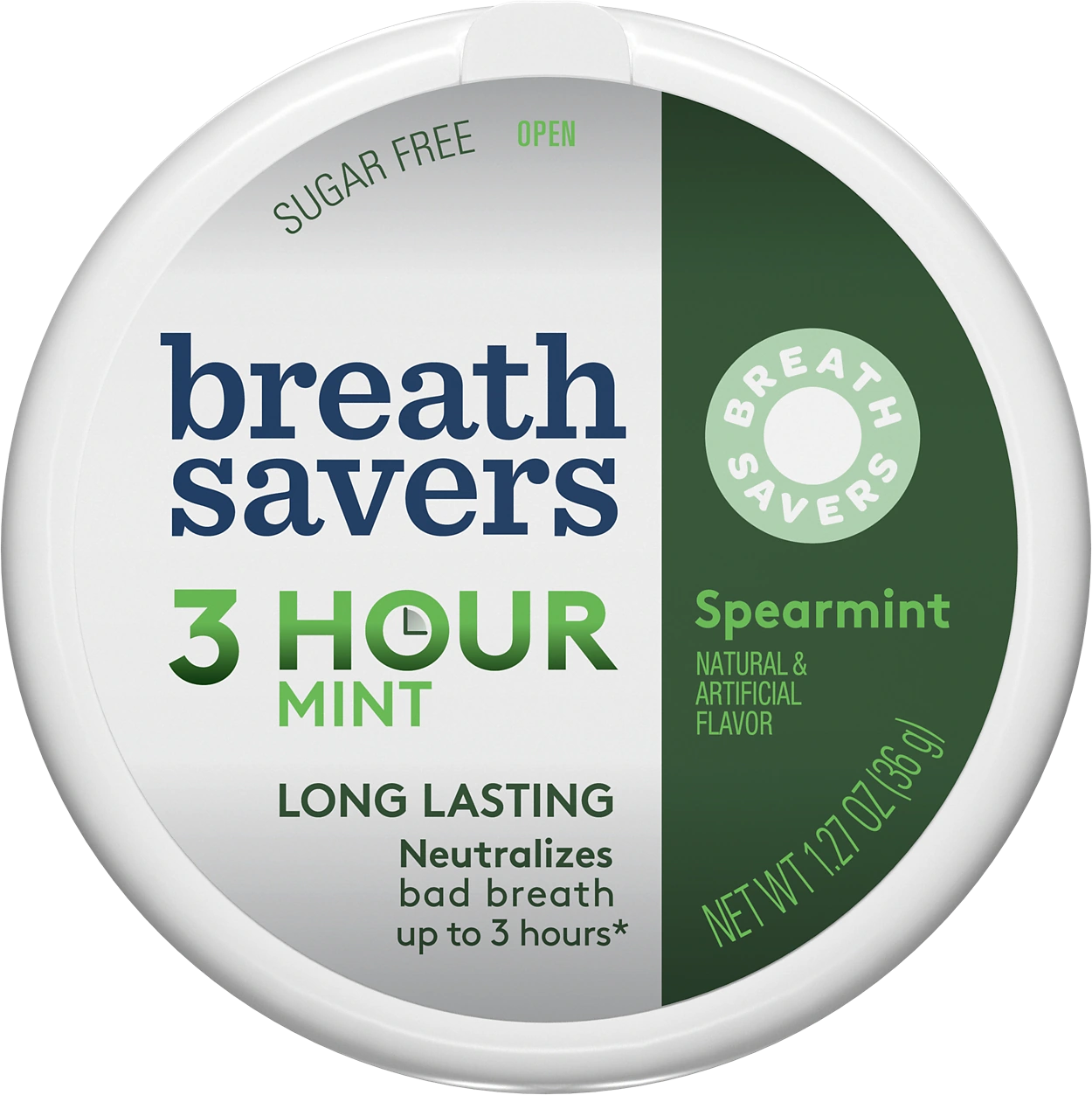
The same approach works for the round format: “Breath Savers Spearmint 3-Hour, 1.27 oz each, eight packs.” That description prevents someone from choosing classic spearmint rolls when you wanted a reclosable container. It also avoids treating the number eight as a count of individual mints.
Save the exact product page with that description. When you return later, reread the selected option rather than assuming the page still opens to the same quantity. Online offers can change, and a remembered photograph is not enough to establish the current selection.
If you are buying for another person, confirm their preference before buying a larger supply. Ask for both flavor and format. A wintergreen fan may not want peppermint, and someone who carries a round pack may not want rolls even if the flavor is correct. This is a small clarification that prevents a much larger unused purchase.
Understand what the pack count measures
In the selected classic offers, 24 count means 24 individual rolls. Each roll has a net weight of 0.75 ounces. For the selected Spearmint 3-Hour offer, eight count means eight individual round packs, each containing 1.27 ounces. Count and weight are separate measurements, and both belong in a useful comparison.
The classic 24-roll pack totals 18 ounces by multiplication. The eight-pack of 3-Hour totals 10.16 ounces. These totals describe the amount of product in the offer. They do not establish the exact number of mints in an order unless the current package also states that number.
| Selected offer | One unit | Units | Calculated total |
|---|---|---|---|
| Peppermint rolls | 0.75 oz roll | 24 | 18 oz |
| Spearmint rolls | 0.75 oz roll | 24 | 18 oz |
| Wintergreen rolls | 0.75 oz roll | 24 | 18 oz |
| Spearmint 3-Hour | 1.27 oz pack | 8 | 10.16 oz |
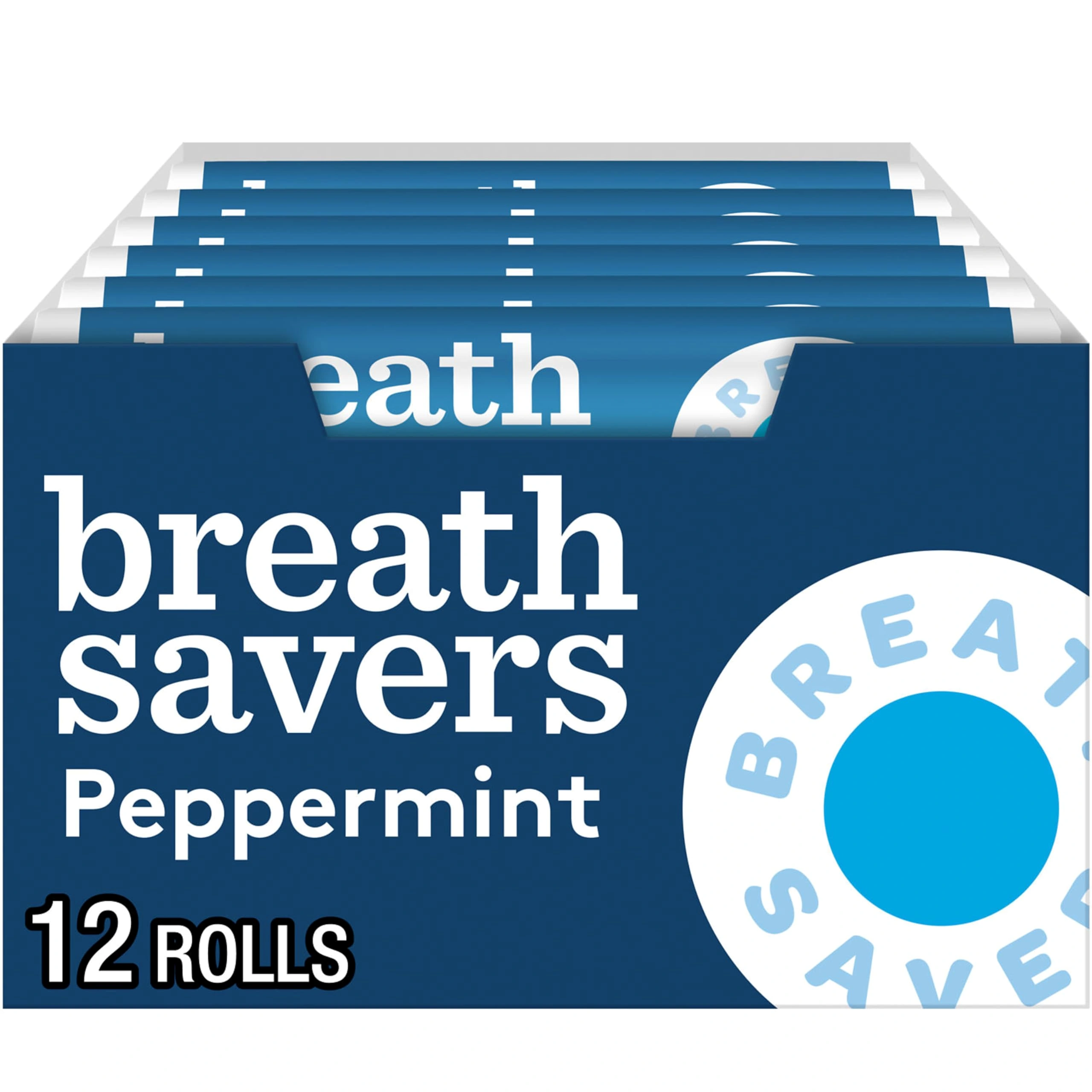
A product image may show one roll, one round pack or an inner display carton. Read the selected quantity beside the purchase action rather than counting visible objects in a photograph. If the offer changes after you open the purchase tab, verify the quantity again before proceeding.
Plan a household supply around real use
For a household, start with the number of people who actually want that flavor. There is little value in distributing a preferred mint to every room if only one person uses it. Keep most unopened units together, then take out an individual package when needed. A single storage location makes the remaining supply easier to see.
Do not estimate a purchase by inventing a daily mint allowance for everyone. A better planning method is to observe when the household opens a new roll or round pack during its normal routine. After a few weeks, you may have enough information to know whether a multipack is lasting comfortably or sitting unused.
Different flavors may move at different rates. If one person enjoys wintergreen and another enjoys spearmint, keep the counts separate. Combining them into a single total can hide the fact that the preferred flavor is almost gone while another is plentiful. The next order should reflect what people choose, not just the number of packages left.
Leave room for preferences to change. Someone may stop carrying mints regularly or switch formats. A repeat order is a good moment to check that the old choice still makes sense. Familiarity should make shopping easier, not turn a past preference into an automatic commitment.
Keep a workplace supply simple and optional
At work, decide whether the supply is personal or shared. A personal desk pack can be managed like a household item. A shared supply needs a little more clarity: which flavors are available, where the unopened units are kept and who checks the remaining quantity before ordering.
Unopened rolls make it possible to offer a complete labeled unit without handling loose mints. Keep the product information available and let people decide for themselves whether to take one. If the workplace has rules about shared food, follow them. A small convenience should fit the setting rather than create an exception to its normal practices.
Separate the purchasing decision from claims about performance at work. A mint does not need a promise about better meetings or productivity to be a useful optional item. Describe what is available plainly: the brand, flavor and format. That keeps the presentation friendly without making personal assumptions about colleagues.
For reordering, choose one simple trigger based on unopened units remaining. The trigger should leave enough time for the usual delivery process, but it need not be the same for every workplace. Check the current delivery estimate when ordering. A historical review or a previous fast shipment cannot guarantee the next arrival date.
Calculate event quantities without assuming demand
For an event, first decide how mints will be offered. A complete unopened roll placed in a take-home bag is different from a bowl of loose mints. A labeled optional selection is different from providing one unit to every attendee. Define the presentation before calculating the quantity.
If you intend to place one unopened roll in each of 18 adult take-home bags, one 24-roll pack provides enough for that plan with six rolls left. If the plan requires 30 rolls, one pack is short by six, while two packs provide 48 rolls and leave 18. These are distribution examples, not recommendations about who should eat mints or how many to use.
| Bags prepared | 24-roll packs needed | Rolls supplied | Unassigned rolls |
|---|---|---|---|
| 12 | 1 | 24 | 12 |
| 18 | 1 | 24 | 6 |
| 24 | 1 | 24 | 0 |
| 30 | 2 | 48 | 18 |
| 48 | 2 | 48 | 0 |
Use the same arithmetic with your actual plan, then consider whether the leftovers have a sensible destination. Do not increase the number of bags merely to use an entire pack. If mints are optional, demand may be lower than attendance. Keep that uncertainty visible in your planning rather than presenting an estimate as a guaranteed requirement.
Keep the original packaging intact when adding a roll to a gift bag. Decorative wrapping should not conceal information someone needs to identify a food product. Give guests an easy way to decline it, and avoid messaging that comments on their breath or personal appearance.
Calculate value without chasing the biggest number
A larger pack can be convenient, but it is not automatically the best value for every buyer. Value depends on the current total price, the quantity, the format you prefer and whether the supply will be used. An unwanted flavor at a low unit price is still an unwanted purchase.
To calculate price per roll, divide the selected pack price by the number of rolls. A hypothetical $24 pack with 24 rolls costs $1 per roll. A hypothetical $30 pack with 24 rolls costs $1.25 per roll. The arithmetic is straightforward, but use the current selected price rather than an old review, a remembered discount or a promotional headline.
For formats with different unit sizes, price per ounce can add another perspective. Divide the total price by total ounces, keeping the unit the same on both sides. That lets you compare amounts of product, but it still does not account for the value you place on a reclosable lid or a slim wrapper.
Compare like purchase terms as well. A subscription price, a one-time price and an offer requiring an additional promotion may not be interchangeable. Include any delivery charge and taxes shown before checkout. Our “Price checked” amount is a reference for the selected product; the final purchase tab is where the complete current total must be confirmed.
Give unopened packs a clear storage place
Choose a clean, dry place for the unopened supply and follow the package's storage instructions. Keep the flavor names visible so you can identify what remains without opening anything. A shallow shelf or a small labeled area is often easier to manage than a deep container in which older packs disappear behind new purchases.
When a new order arrives, put it behind the existing usable supply. Check package condition and date information before combining the stock. This simple rotation makes it less likely that a forgotten pack remains at the back indefinitely. Do not erase or cover printed lot and date information.
Avoid leaving the whole multipack in a bag or vehicle just because individual units are portable. Bags can hold damp items, and vehicle temperatures vary. Take the amount you need for the ordinary routine and store the remainder in a more suitable place. Portability describes the convenience of carrying a package, not immunity to storage conditions.
For any food item, keep access appropriate to the household and follow the warnings on the package. Do not treat the words sugar free as a reason to leave mints within unrestricted reach of children or animals. If you need product-specific advice, use the manufacturer's information rather than a general storage tip.
Check the order when it arrives
Compare the delivered product with the order record before putting it away. Check the flavor, format, unit weight and total number of units. If you ordered 24 rolls, establish that quantity from the contents and packaging rather than assuming that the number of outer cartons tells the whole story.
Look at the condition of the packages. Keep the order details and any relevant product information if something is missing or damaged. Photographs of the delivered item and packaging can help explain a problem, but avoid including unnecessary personal information when sharing them with the seller or order-support service.
If the product does not match what you ordered, use the support options attached to that order in the account used for the purchase. The available return or replacement options may depend on the seller, the item and the order. Our order-help page explains where to begin without promising a policy on someone else's behalf.
Do not distribute an uncertain order while trying to resolve it. Keep the original packaging and order information together until the issue is clear. Once the product is confirmed, update your unopened-unit count and place the new supply behind the existing usable packages.
Build a reorder habit from observation
After the first purchase, note when you open new units during normal use. You do not need to track each mint or create a detailed spreadsheet. A rough count of unopened rolls or round packs is enough to show whether the chosen multipack suits your household or workplace.
Set a reminder to check the supply rather than an automatic assumption that you need more. A check might reveal that the current quantity is sufficient, that one flavor is running low or that a format preference has changed. The useful action is to look before ordering.
Allow for the delivery estimate shown at the time of the next purchase. If the mints are for a dated event, leave time to inspect the order and resolve a problem. Do not wait until the last unit is gone if having a supply available matters, but do not buy an excessive reserve simply because delivery dates can vary.
If several people share responsibility for ordering, make the current status visible to all of them. A short message such as “six unopened Spearmint rolls remain; no order placed” can prevent duplicate purchases. Record an order once it is placed, and update the count when it arrives.
When a different format may be more useful
If you repeatedly open several rolls and lose track of them, consider whether a designated reclosable pack would better suit the way you use mints. If a round pack feels bulky in a small pocket, a classic roll may fit more naturally. The right change addresses an observed inconvenience rather than a claim that one format is universally better.
Keep the flavor decision separate. Spearmint appears in both formats in this collection, while the classic rolls also offer Peppermint and Wintergreen. A format change may therefore affect which flavor you can choose from the displayed range. Our format comparison explains the product distinctions in more detail.
Before switching, read the exact label again. Different formats may use different formulas, and an ingredient assumption from a familiar roll should not be transferred to a round pack. The ingredients page links you to package views, while each product page keeps the selected offer quantity beside the purchase button.
If taste is the main uncertainty, start with our flavor guide. It helps you choose among the named flavors without using a made-up strength scale. A useful pack is one that brings together a flavor you want and a format you will actually carry.
A worked planning example for a shared office
Imagine a small office that wants an optional supply of sealed Spearmint rolls. The organizer finds seven unopened rolls in a drawer before ordering. The next meeting will have 15 adult attendees, but the organizer plans to make rolls available for anyone who wants one rather than placing one at every seat. The attendance figure is therefore a maximum possible request, not a prediction of demand.
If the organizer wants enough for every attendee to choose one, eight additional rolls would cover the difference between seven on hand and 15 possible requests. A selected 24-roll multipack would raise the unopened supply to 31. After setting aside 15 rolls for the meeting, 16 would remain for later use. That remainder should be part of the decision before ordering, not a surprise afterward.
The organizer should also check that all seven existing rolls are the intended flavor and are suitable to use. If three are Wintergreen, they are not seven Spearmint rolls. The office might offer both flavors, but that becomes a different plan with a labeled choice. Accurate counting starts with product identity, not just a total number of packages.
Suppose the meeting uses only six rolls. The organizer can return the unopened remainder to the normal supply and record the new count. There is no need to distribute extra rolls just to match the original estimate. The observation may help with a later event, but one meeting still does not establish a permanent usage rate.
Turn the example into your own plan
Write down the number of usable unopened units on hand, the maximum number you intend to set aside and the number of units in the selected offer. Subtract the first figure from the second to find the gap. If the gap is zero or negative, no additional units are needed for that plan. If it is positive, calculate how many complete packs would cover it and what would remain.
Then ask whether the remainder has a sensible use and storage place. That final question is what turns correct arithmetic into a useful purchase decision. You may decide to change the presentation, offer mints only on request or use the existing supply for a smaller occasion. Buying another multipack is one possible response, not the automatic answer to every shortfall.
Keep budget and delivery questions separate from the count. Having enough units does not establish that an offer fits the budget or will arrive before an event. Check those details in the current purchase tab, and allow time to inspect the delivered order. A clear plan should account for the product, the quantity and the date on which it is needed.
Make the final check before ordering
Read the complete product identity one last time: Breath Savers, the chosen flavor, the format, the weight per unit and the number of units. Compare that with the supply you intended to buy. If you are ordering for an event or shared space, confirm that the planned distribution still makes sense.
Then check the selected option, final price and delivery information in the purchase tab. Do not let a familiar photograph replace that final review. A correct choice on a guide page still needs to match the option selected at checkout.
Once the order is placed, keep the confirmation where you can find it and note that a new supply is on the way. When it arrives, inspect it, count the unopened units and store them with the labels visible. Those small steps make a multipack easier to manage from the first roll to the next reorder.